

Building Projection Mapping — Complete Guide 2026: How It Works, Why It’s Worth It & What It Costs
Building projection mapping transforms architectural surfaces into dynamic visual canvases using light, software and precisely calibrated content. What was once a niche technology used only at large festivals has become a mainstream tool for event producers, brands, city governments and artists worldwide.
The global projection mapping market is estimated at $4.76 billion in 2026 and projected to reach $12.35 billion by 2033, growing at 14.6% annually.
Building facade projection drives a significant share of this growth — it remains the most visible and commercially impactful application of the technology. This guide covers everything you need to know: how building projection mapping works technically, when and why to use it, what equipment is required, realistic 2026 costs, and the latest developments shaping the industry.
What is Building Projection Mapping?
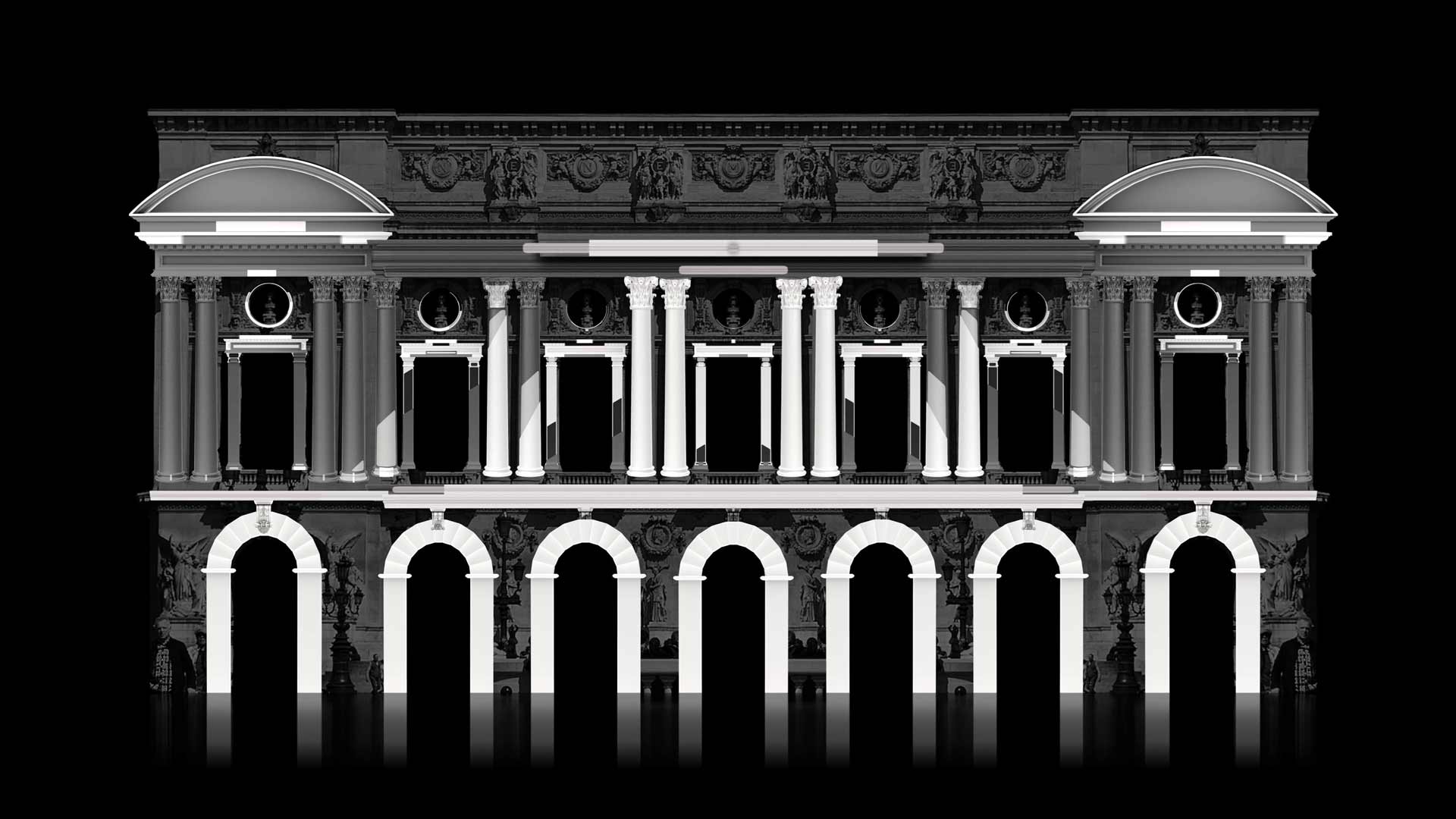
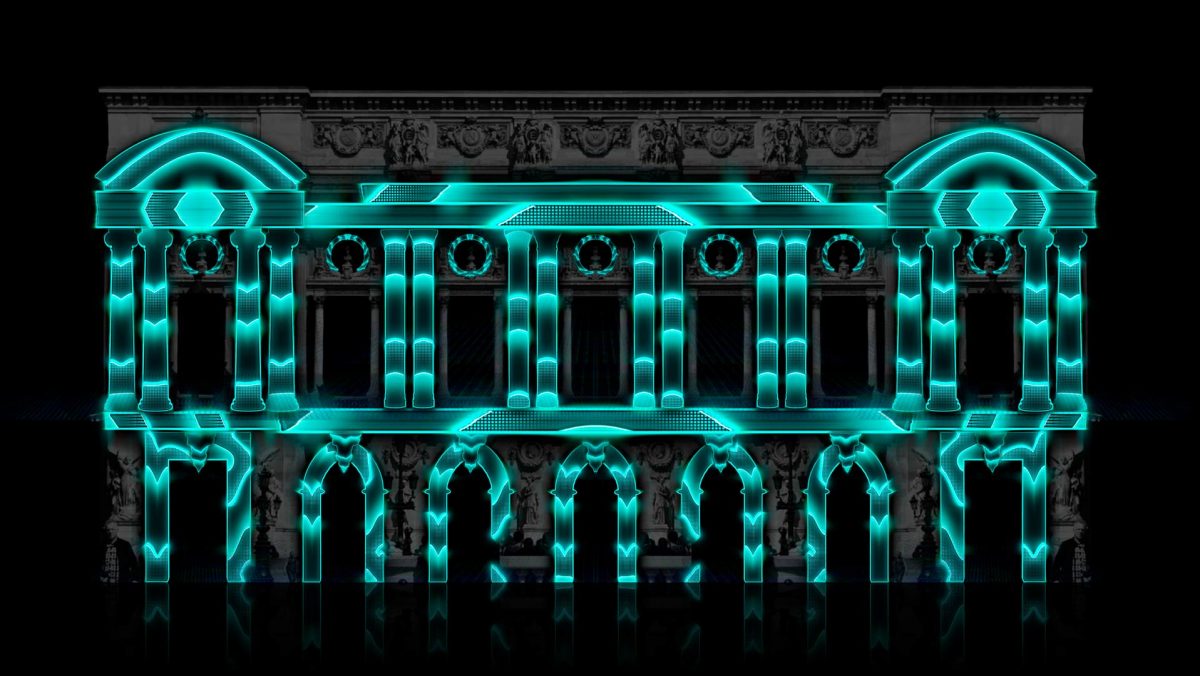
Building projection mapping — also called architectural projection mapping or facade mapping — is the process of projecting video content onto a building’s exterior surface in a way that precisely aligns with its architecture. Windows, columns, cornices, doors and ornamental details become part of the visual composition rather than obstacles to it.
The result is a show that appears to animate, transform or deconstruct the physical structure — walls crumble, facades crack open, buildings appear to breathe, water flows across stone surfaces. Unlike a flat cinema projection, the building’s own geometry becomes part of the visual narrative.
The technology works by creating a digital 3D models of the building’s surface, then warping and masking the video content to fit that geometry exactly — a process called geometric calibration. When projected, the content locks to the architecture and creates the illusion of depth, movement and physical transformation.

Why Use Building Projection Mapping?
For events and live shows
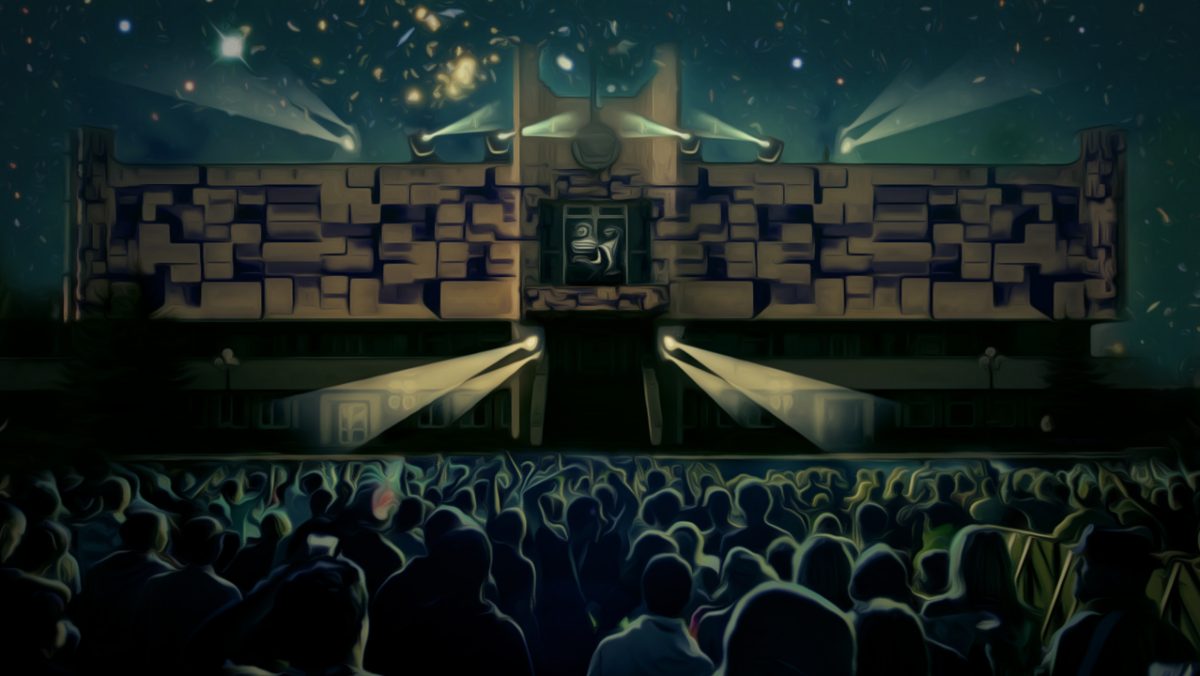
Building projection mapping consistently delivers results that other visual technologies cannot match at the same scale. A well-executed facade show stops foot traffic, generates social media content organically and creates a shared experience for large outdoor audiences without requiring tickets or enclosures.
Projection mapping is emerging as a strategic tool for urban revitalization, tourism development and cultural expression — used by cities, cultural institutions and event organizers as a flexible, scalable way to engage audiences and differentiate themselves in a crowded market.
For brands and marketing
Advertising agencies and companies use video mapping to attract attention for campaign objectives. The ability to customize projected content means campaigns can be targeted with high attention-grabbing potential — and as only light is used, there are virtually no material costs. This makes it highly effective for product launches, brand activations and guerrilla marketing.
For cultural and public institutions
Permanent or seasonal building projections have become a tourism asset for cities. Festivals like Vivid Sydney, iMapp Bucharest and Genius Loci Weimar draw hundreds of thousands of visitors specifically for facade mapping events. A balanced portfolio of permanent installations and temporary activations maximizes both long-term branding and short-term economic impact.
Sustainability advantage
Instead of building elaborate sets and using disposable materials, projection mapping creates digital animated environments with minimal physical waste — an increasingly important consideration for event producers working under sustainability mandates.

How Building Projection Mapping Works — Step by Step
Step 1 — Building selection and survey
Not every building works equally well. The ideal facade has:
- Light-coloured or neutral surface — white, cream or grey stone reflects the most light. Dark or heavily textured surfaces absorb light and reduce brightness.
- Architectural detail — columns, arches, windows and cornices give the content geometry to interact with. Completely flat walls produce less impressive results.
- Controllable ambient light — street lights, signage and traffic all compete with the projection. Evening and night shows in locations where ambient light can be managed produce the sharpest results.
- Clear projection angle — the projector needs an unobstructed line of sight from a stable ground or elevated position to the target surface.
For large-scale projections such as building facades, projectors with light outputs of 20,000 ANSI lumens or more are used. The choice of projector brightness is made according to ambient light levels — as a general rule, the amount of light on the projection surface should be four times higher than the surrounding ambient light level.
Step 2 — 3D scanning and building model
After site selection, the building is scanned or measured to create an accurate digital model. For simple facades, manual measurement is sufficient. For complex geometry — curved surfaces, irregular ornamental details, multi-plane facades — photogrammetry or LiDAR scanning produces a precise point cloud which is then converted into a 3D mesh in Cinema 4D, 3ds Max or similar tools.
This model becomes the template for both content creation and projection calibration.
Step 3 — Content production or acquisition
Content for building projection mapping must be created specifically for the target surface — standard video files do not work without adaptation. Two approaches:
Custom production: A motion designer or studio creates 3D-animated content adapted to the building’s exact geometry. This is the most impactful option and the most expensive. See cost breakdown below.
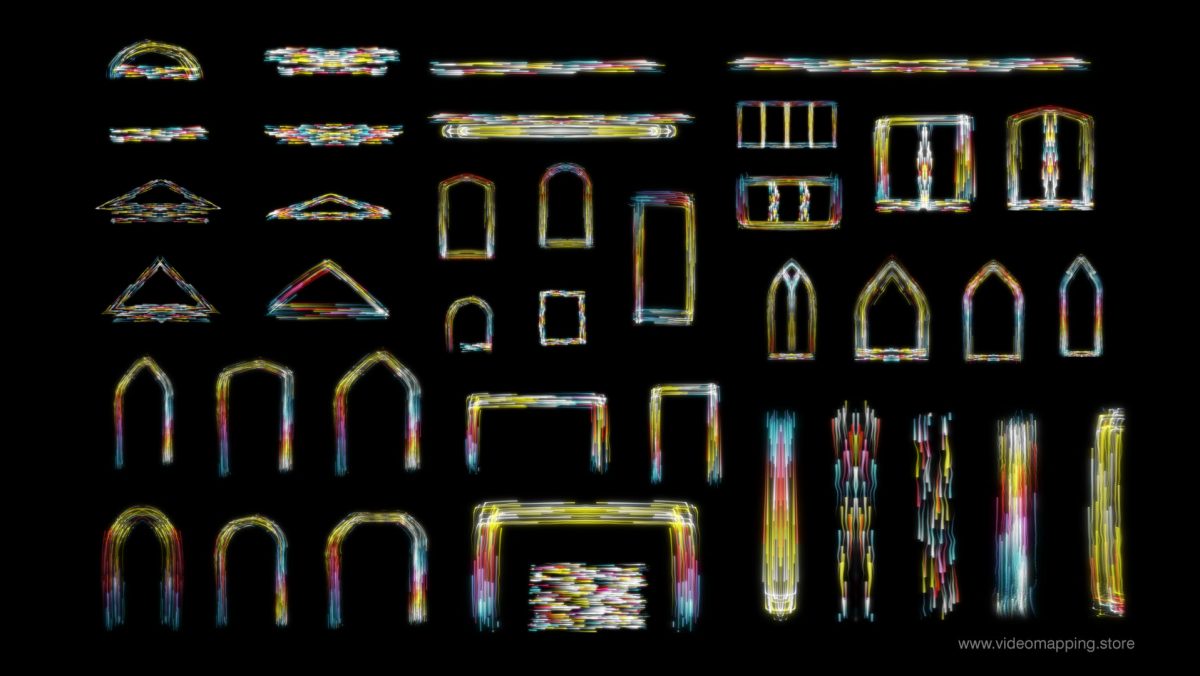
Ready-made assets: Professionally produced projection mapping content — animated facades, video mapping loops, video mapping toolkits, architectural textures, VFX elements — can be purchased and adapted to fit your building significantly faster and at a fraction of custom production cost. Video Mapping Store offers a complete library of exclusive architectural projection mapping content including animated facades, projection mapping loops, projection textures and building toolkits — all royalty-free and optimised for professional mapping software.
Step 4 — Software setup and geometric calibration
Mapping software is used to align the content with the building surface. The operator loads the building model, assigns content layers to architectural elements, then uses warp and blend tools to fine-tune the alignment on-site.
Key software platforms used for building projection mapping:
- Resolume Arena — industry standard for live shows and facade mapping. Handles real-time composition, multi-projector output and DXV optimised playback. Perpetual license €759. Available at Video Mapping Store.
- MadMapper — $349, favoured for installations requiring precise mesh warping on complex surfaces
- Dataton WATCHOUT — used for large-scale permanent and corporate installations with multiple synchronised projectors
- Disguise (d3) — professional production platform used at the largest architectural shows globally
For a full comparison of projection mapping software options, see our Complete Projection Mapping Software Guide.
Step 5 — On-site installation and calibration
Installation involves positioning projectors, running signal cables, mounting hardware and performing live calibration against the actual building surface. This step takes 4–12 hours depending on show complexity and number of projectors.
For outdoor shows, projectors require weatherproof housings or thermal enclosures. Signal distribution over optical DVI or HDMI lines handles the distance between the media server and projection positions.
Step 6 — Show execution
For live-performed shows, an operator runs the content in real time using the mapping software’s timeline or clip-triggering tools. For automated loop shows, content plays back unattended once programmed.
Equipment Required for Building Projection Mapping
The projector determines show scale. Matching brightness to surface size and ambient conditions is the most important technical decision in any building projection project.
| Surface size | Required lumens | Typical projector |
|---|---|---|
| Small facade up to 8m wide | 10,000 – 15,000 lm | Panasonic PT-RZ series |
| Medium facade 10–20m wide | 15,000 – 25,000 lm | Barco G series |
| Large facade 20–40m wide | 25,000 – 50,000 lm | Barco UDX / Christie Boxer |
| Landmark 40m+ wide | 50,000+ lm, multiple units | Barco / Christie flagship |
For multi-projector setups covering a wide facade, edge blending — where adjacent projector images overlap and blend seamlessly — is handled by the mapping software.
Media server
For single-projector shows, a high-spec laptop or workstation running Resolume Arena handles playback reliably. For multi-projector productions, a dedicated media server ensures synchronised output stability.
Signal distribution
Long cable runs between the media server and projector positions require optical DVI or HDBaseT signal extenders. For distances over 10–15 metres, standard HDMI cables introduce signal degradation.
Weatherproofing
Outdoor projectors require protection from rain, dust and temperature extremes. Weatherproof thermo-boxes with active heating maintain projector operating temperature and protect optics. Budget $500 – $3,000 per projector position for housing.
-
Sale!
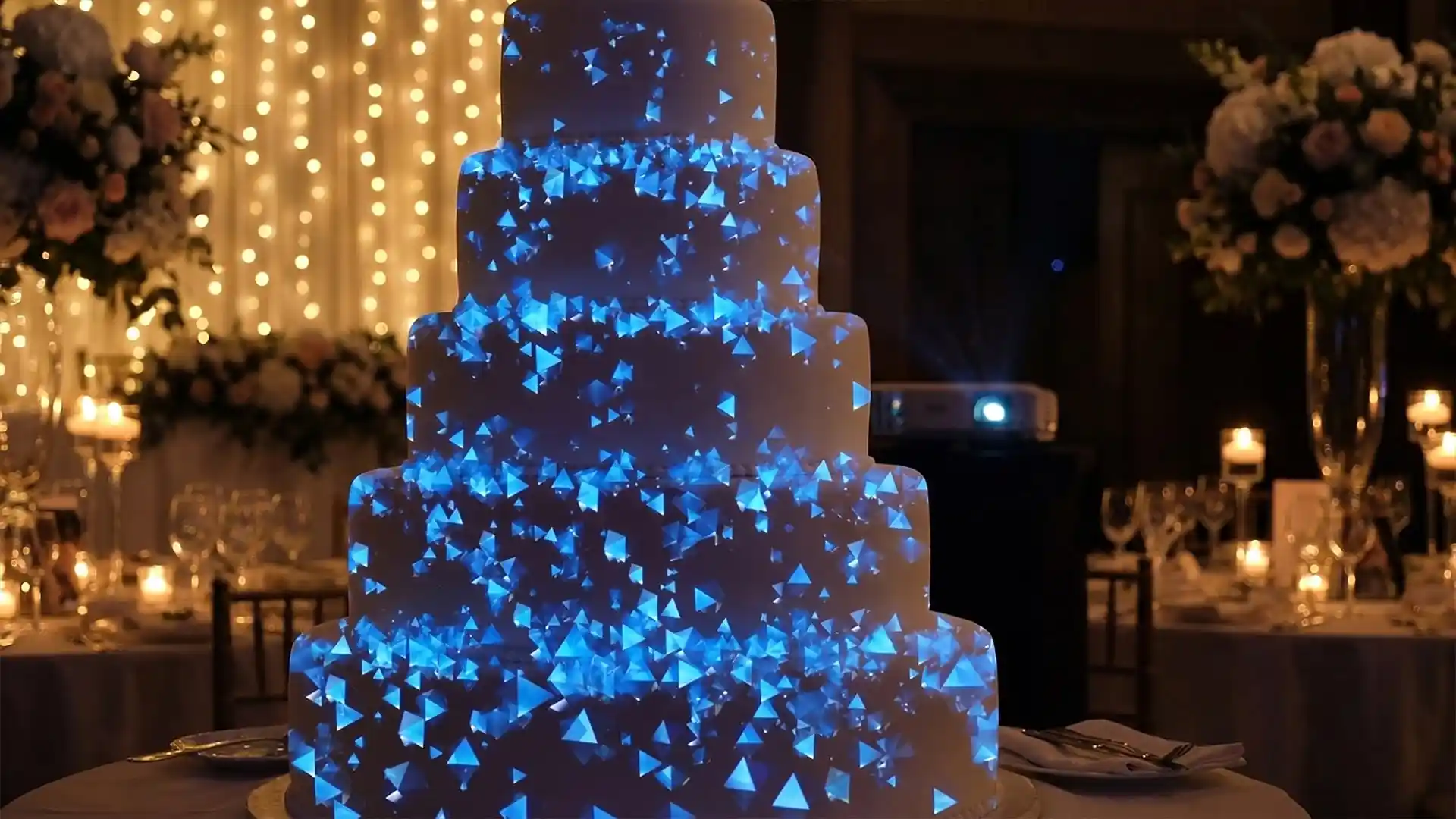
Wedding Cake – Video Mapping Wedding Visuals Vol.1
Original price was: €249.€149Current price is: €149. -
Sale!
Aurora Royale – Projection Mapping Texture Pack Vol.112
Original price was: €49.€39Current price is: €39. -
Sale!
Projection Mapping Starter Pack
Original price was: €649.€249Current price is: €249. -
Sale!
Pink High-Tech – Projection Mapping Texture Pack Vol.73 – UPDATED
Original price was: €49.€39Current price is: €39. -
Sale!
Cyan Futurism – Projection Mapping Textures Pack Vol.57 – UPDATED
Original price was: €49.€39Current price is: €39. -
Sale!
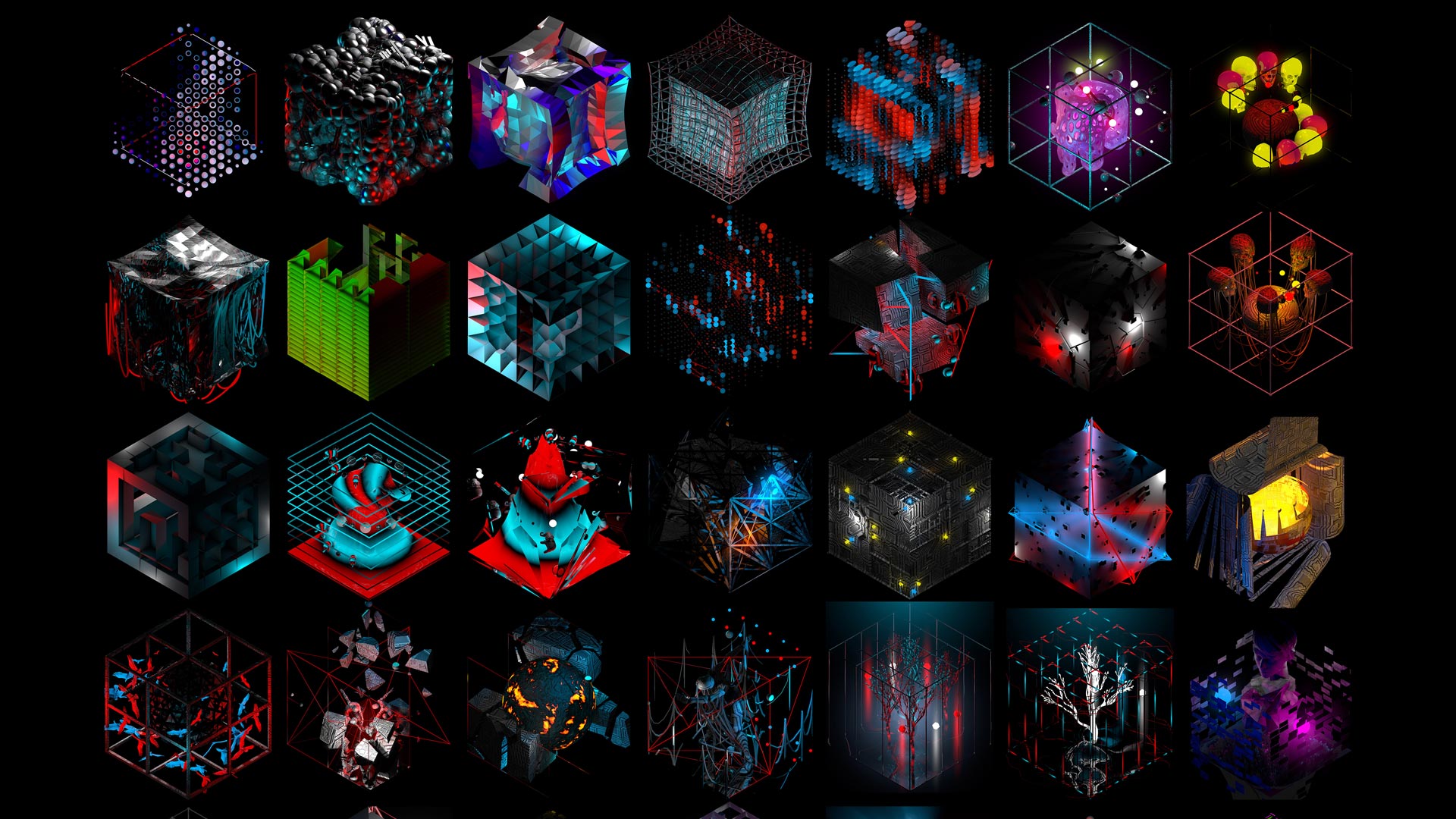
3D Isometric Rave – Cube Projection Mapping Visuals
Original price was: €149.€99Current price is: €99. -
Sale!
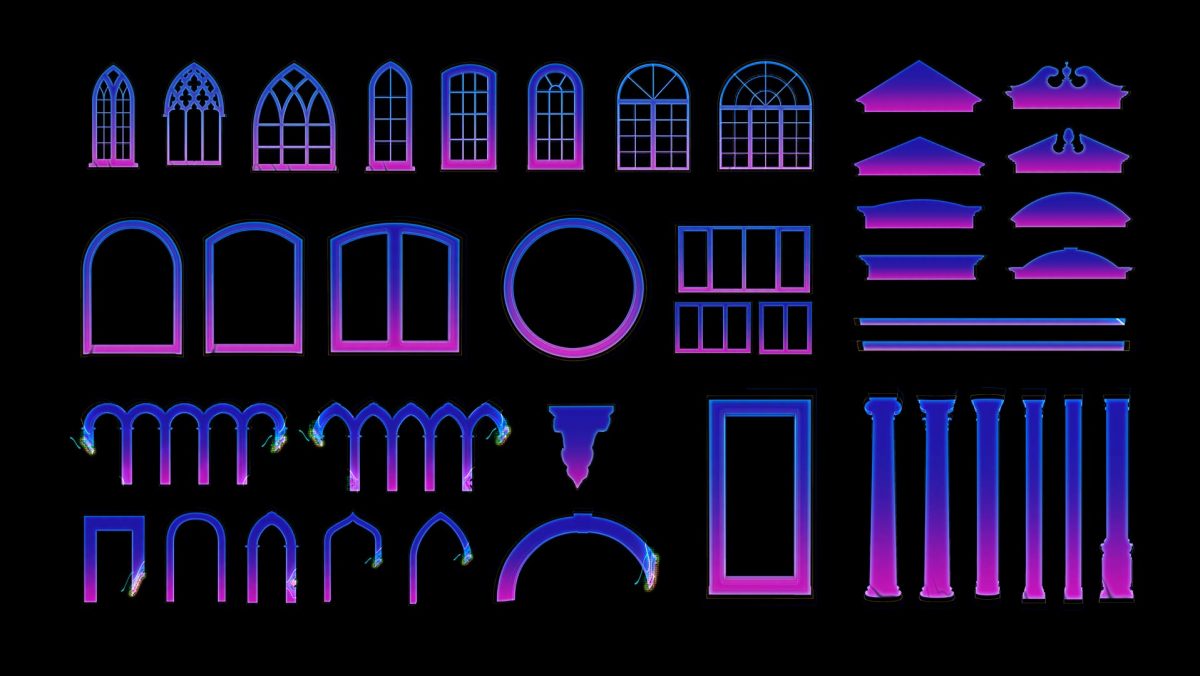
Cyber Texture – 3 in 1 Video Mapping Toolkit Vol.32
Original price was: €399.€199Current price is: €199. -
Sale!
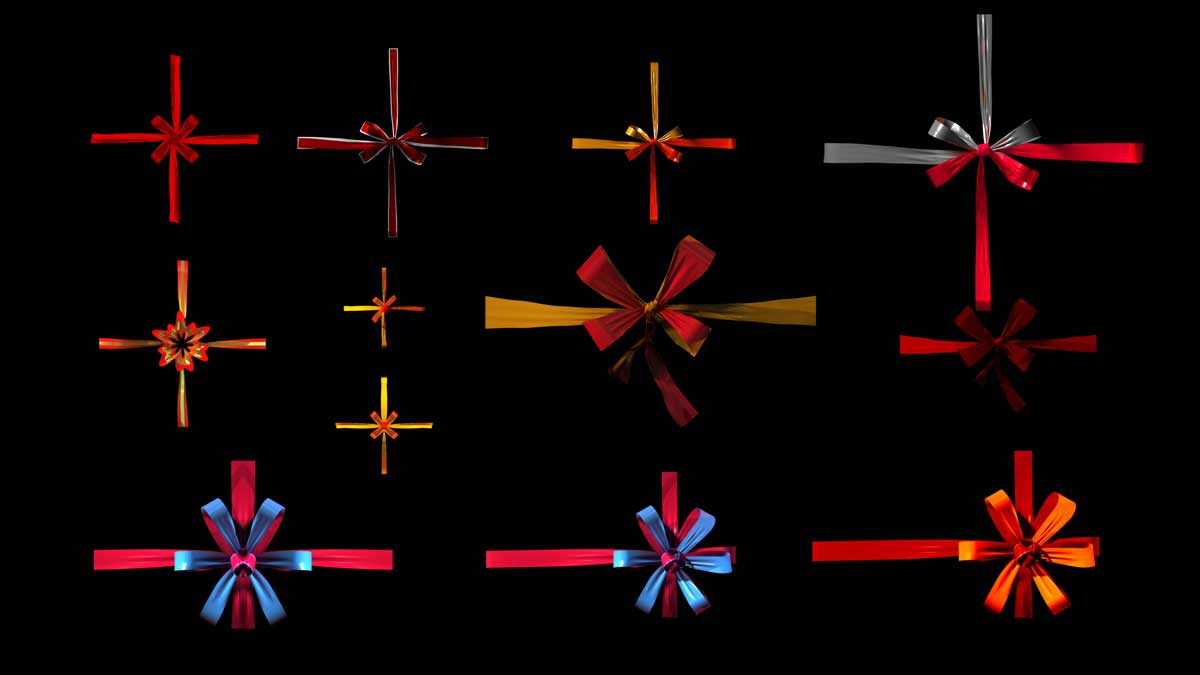
Decor Gifts Ribbons – Video Mapping Elements Pack Vol.4
Original price was: €89.€59Current price is: €59. -
Sale!
Asgard Energy – Video Mapping Toolkit Vol.27
Original price was: €129.€99Current price is: €99. -
Sale!
Fire Dust – Video Mapping Toolkit Vol.24
Original price was: €129.€99Current price is: €99. -
Sale!
Fulldome Video Mapping Loops Bundle Vol.2
Original price was: €599.€299Current price is: €299. -
Folding Backgrounds 4K – Projection Mapping Loops Pack Vol.15
€99 -
Sale!
Video Mapping Toolkit Vol.1 – Green Nature
Original price was: €189.€129Current price is: €129. -
Gold Edition – Projection Mapping Loops Pack Vol.8
€99












Building Projection Mapping Costs in 2026
For detailed pricing on equipment rental and purchase, see our Cost of Projection Mapping Equipment guide.
Summary for building-specific projects:
Rental costs per event
| Project scale | Equipment rental | Operator | Total estimate |
|---|---|---|---|
| Small building (1–2 projectors) | $3,000 – $8,000 | $500 – $1,500 | $5,000 – $15,000 |
| Mid-size facade (3–6 projectors) | $10,000 – $30,000 | $2,000 – $5,000 | $15,000 – $40,000 |
| Large architectural show (6–12 projectors) | $30,000 – $80,000 | $5,000 – $15,000 | $40,000 – $100,000+ |
Video Mapping Content costs
Custom content production for a 5-minute building show: €7,500 – €50,000 depending on complexity and studio. Ready-made architectural assets adapted to your building: €200 – €2,000 — a fraction of the cost with comparable visual quality for most event formats.
If we roughly want to show market price for content, 1 minute of mapping show (without technical supervision) costs from €1,500 to €3,000 from most studios. The biggest prices received were from Belgian studios at €320,000 per 10 minutes — British studios at €180,000 per 10 minutes. The lowest prices came from Eastern European companies at around €2,000 per 10 minutes.

What’s New in Building Projection Mapping in 2026
AI-generated and AI-assisted content
Generative AI tools are entering projection mapping workflows — allowing artists to create building-specific visual variations faster and to adapt content to different architectural styles without rebuilding assets from scratch. AI-driven content that adapts to architectural geometry automatically is moving from research labs to production tools.
Real-time interactive facade shows
Real-time projection tracking leads the market, holding an estimated 57.2% share in 2026, driven by growing demand for interactive experiences where audience movements or actions influence the projected visuals. For building shows, this means audience interaction via mobile devices, motion sensors or crowd tracking systems that alter the visual content in real time.
High-speed projectors for dynamic mapping
A recently developed high-speed projector capable of achieving almost 1,000 frames per second enables dynamic projection mapping on moving surfaces — opening new possibilities for shows where content maps onto objects or architecture that moves or deforms.
Laser projection replacing lamp-based systems
Laser light sources have largely replaced lamp-based projectors at the professional level. Laser projectors offer 20,000+ hours of stable output with minimal lumen degradation — eliminating lamp replacement costs and reducing maintenance downtime on long-running installations. Barco, Christie and Panasonic all offer laser-native projectors from 10,000 to 75,000 lumens.
4D projection mapping
4D projection mapping — integrating sensory elements like wind, water mist and scent with the visual projection — is expected to significantly boost market growth as event producers seek multi-sensory experiences that go beyond what screens and LED walls can deliver. videomapping
Common Mistakes in Building Projection Mapping
Underestimating ambient light. The single most common technical failure — projecting onto a building where surrounding street lights, car headlights or competing signage wash out the content. Always survey the site at the intended show time, not during daylight.
Wrong throw distance. Projector placement must be calculated precisely using throw ratio — the relationship between distance and projected image width. Too close and the image doesn’t cover the facade. Too far and brightness drops below usable levels.
Skipping geometric calibration. Content designed for a generic facade will never align precisely with a real building without on-site calibration. Budget adequate time for this — rushing calibration produces visibly misaligned results.
Generic content on a specific building. The visual impact of building projection mapping comes from content that responds to the building’s specific architecture. Generic loops played onto a facade without adaptation look exactly like what they are — generic content.
No backup equipment. For public-facing events, a projector failure mid-show without a backup unit is a serious problem. Professional productions always carry a spare projector or have a maintenance plan in place.
Building Projection Mapping vs. LED Screens
A common question from event producers — when to choose projection mapping over large-format LED screens.
| Factor | Building Projection Mapping | LED Screens |
|---|---|---|
| Surface integration | Uses the building itself | Placed in front of architecture |
| Setup time | 4–12 hours on-site | 6–24 hours for large format |
| Ambient light performance | Requires controlled light conditions | Works in daylight |
| Scale | Unlimited — covers entire buildings | Limited by panel count and budget |
| Cost at large scale | Lower than equivalent LED | Very high at building scale |
| Portability | Projectors are portable | Panels require significant logistics |
| Visual uniqueness | Architecture becomes part of the show | Standard screen aesthetic |
For large outdoor nighttime events, building projection mapping consistently delivers higher visual impact per budget than equivalent LED installations at building scale.
Getting Started with Building Projection Mapping
The fastest way to start is to work with existing architectural assets and build your production workflow around proven software before moving to fully custom content.
A practical starting setup for a small-to-medium building show:
Resolume Arena — €749 perpetual license, handles mapping, compositing and output. Buy Resolume Arena →
Video Mapping Starter Pack — ready-made loops, textures and animated facade elements adapted to your building. Browse Starter Pack →
10,000 – 20,000 lm projector — rent for your first projects, buy once you’re running events regularly
Site survey — visit the location at night, measure the facade, photograph the architecture in detail
-
Sale!
All Projection Textures in one Mega Bundle
Original price was: €3,899.€899Current price is: €899. -
Sale!
Wedding Visuals Cake Bundle Vol.1
Original price was: €899.€349Current price is: €349. -
Sale!
Projection Mapping Starter Pack
Original price was: €649.€249Current price is: €249. -
Sale!
HDD Video Mapping Projection Kit Vol.1 – All Video Mapping content on the stock
Original price was: €16,999.€4,999Current price is: €4,999. -
Sale!
Video Mapping Loops Bundle Vol.1
Original price was: €1,299.€499Current price is: €499. -
Sale!
Video Mapping Toolkits Bundle Vol.1
Original price was: €949.€349Current price is: €349. -
Sale!
Christmas Video Mapping Bundle Vol.3
Original price was: €899.€399Current price is: €399. -
Sale!
Halloween Video Mapping Bundle Vol.4
Original price was: €1,049.€449Current price is: €449. -
Sale!
Ultrawide Video Mapping Loops Bundle Vol.3
Original price was: €449.€249Current price is: €249. -
Sale!
All Video Mapping Loops Packs in one Mega Bundle
Original price was: €2,899.€899Current price is: €899. -
Sale!
All Video Mapping Toolkits in one Mega Bundle
Original price was: €3,899.€899Current price is: €899. -
Sale!
Visual Effects Video Mapping Toolkits Bundle Vol.4
Original price was: €749.€249Current price is: €249. -
Sale!
Projection Textures Bundle Vol.1
Original price was: €349.€199Current price is: €199. -
Sale!
Wedding Video Mapping Toolkits Bundle Vol.2
Original price was: €1,289.€389Current price is: €389. -
Sale!
Video Mapping Audio Bundle Vol.1
Original price was: €489.€189Current price is: €189. -
Sale!
Fulldome Video Mapping Loops Bundle Vol.2
Original price was: €599.€299Current price is: €299.













Sources, References & Credits
- Coherent Market Insights — Projection Mapping Systems Market Size and Share Analysis: Growth Trends and Forecasts 2026–2033. coherentmarketinsights.com, 2026.
- Data Insights Market — Projection Mapping Industry Analysis 2026 and Forecasts 2034. datainsightsmarket.com, January 2026.
- Barco — Projection Mapping and the Growing Experience Economy. barco.com, August 2025.
- lm3x.com — Explore the Possibilities of Building Projection Mapping. lm3x.com, December 2025.
- PMC / National Library of Medicine — Projection Mapping Technologies: A Review of Current Trends and Future Directions. pmc.ncbi.nlm.nih.gov, 2024.
- Alexander Kuiava — How Much Does 3D Video Mapping Projection Cost? alexanderkuiava.com, March 2025.
- mtprojection.com — Immersive Projection Room Cost: Ultimate 2026 Budgeting Guide. mtprojection.com, December 2025.
- Go2 Productions — The Evolution of Projection Mapping in 2025. go2productions.com, February 2025.
- Stats N Data — Global Projection Mapping Technology Market Overview and Outlook 2026–2033. statsndata.org, February 2026.