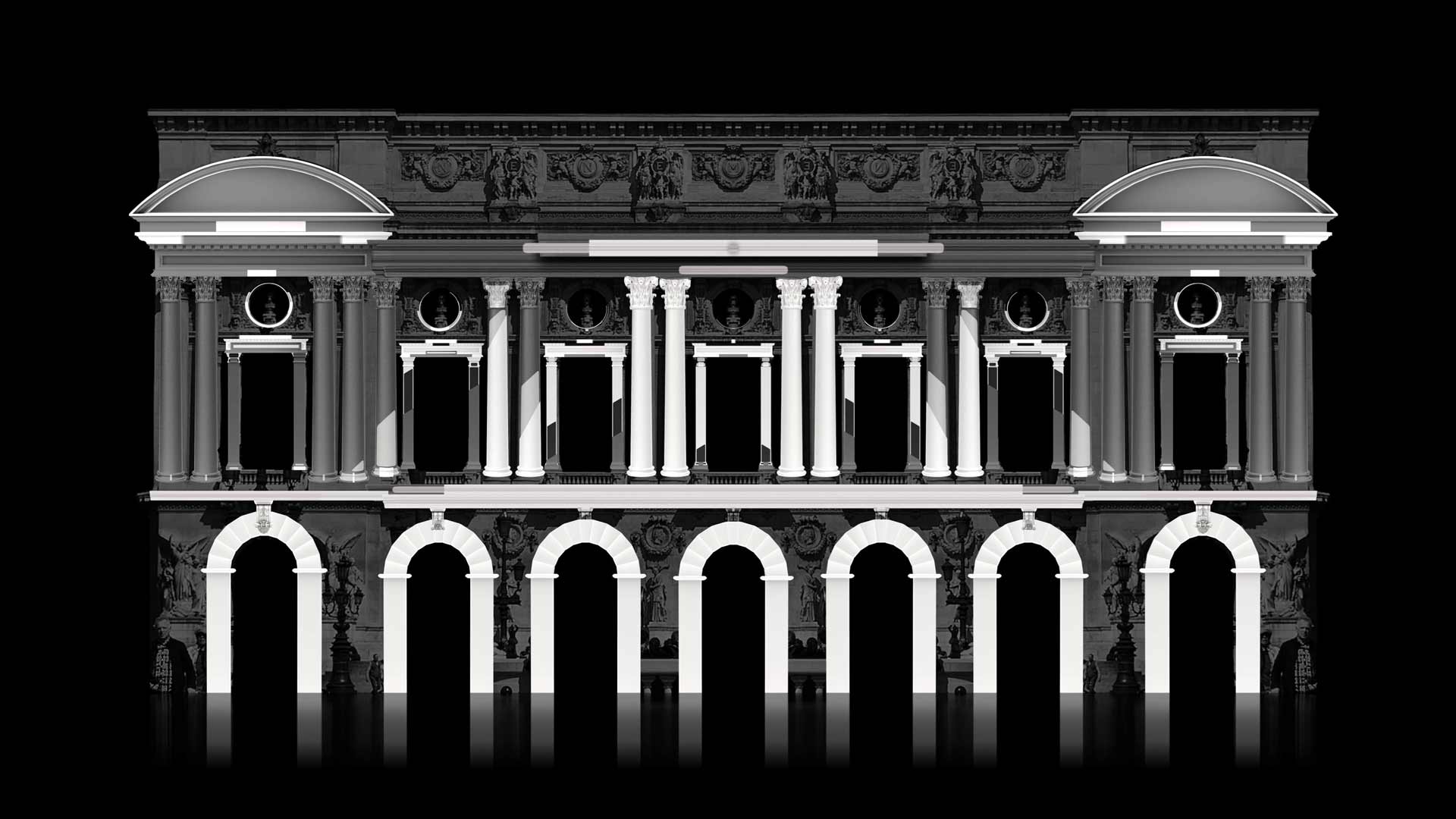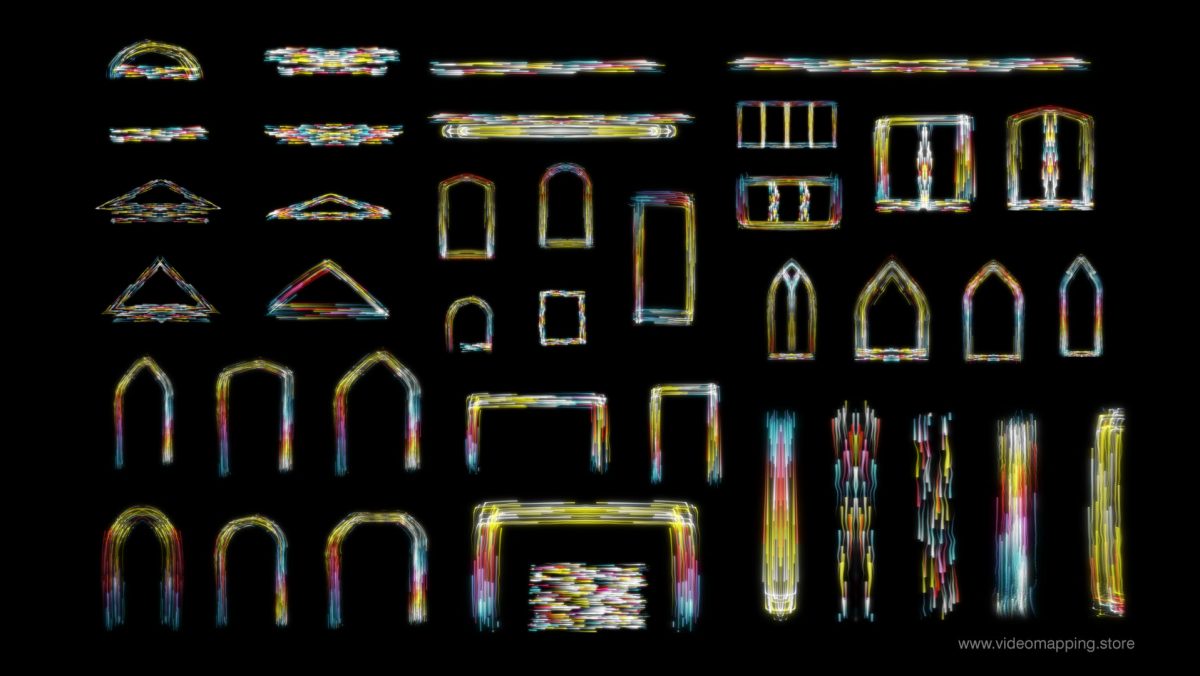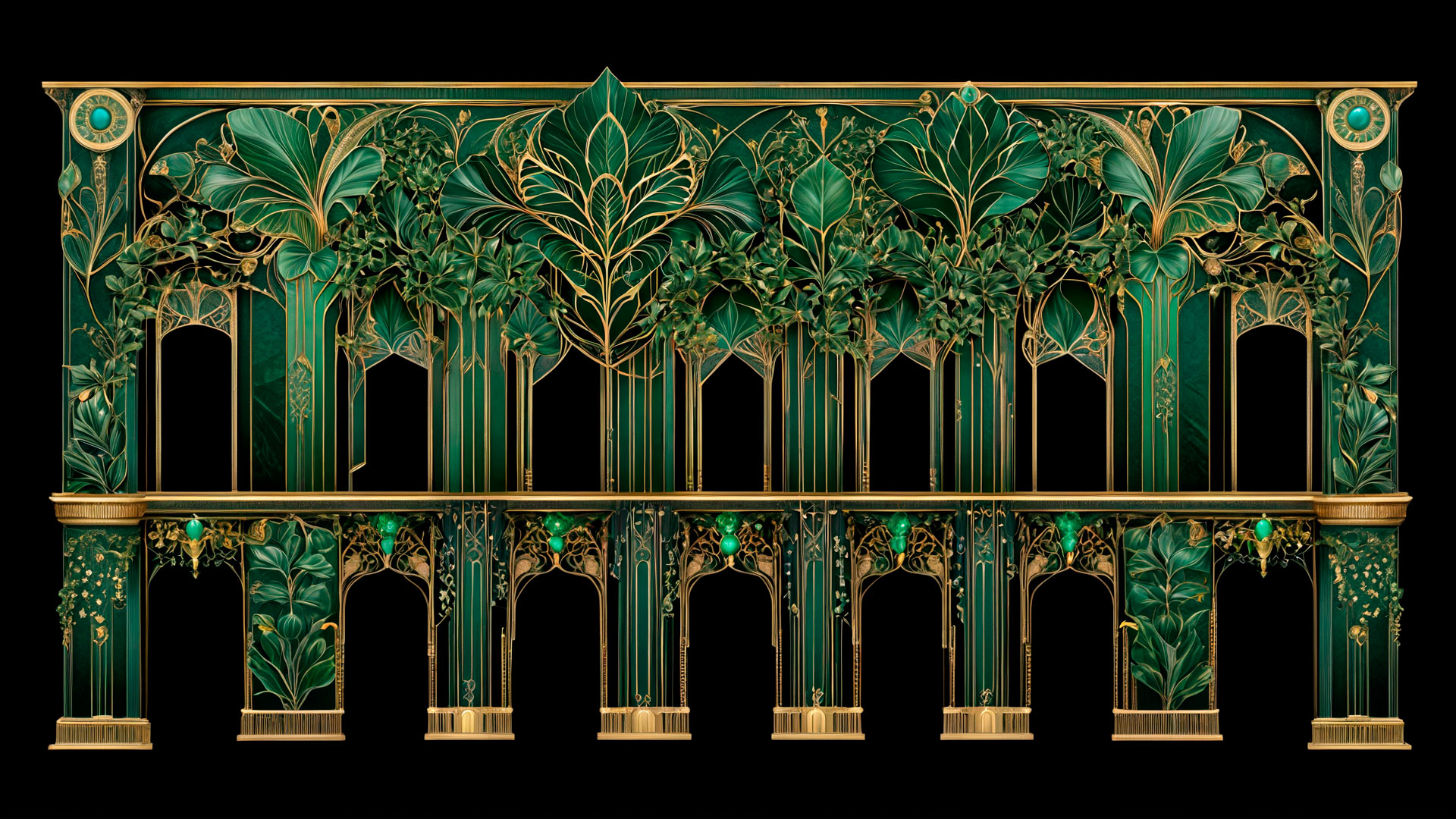


Projection mapping—turning buildings, objects, or even entire stages into dynamic, immersive canvases—has redefined what it means to be a visual artist. It’s a thrilling blend of art, technology, and storytelling that’s capturing imaginations worldwide, from festival light shows to corporate product launches. But how do you go from dabbling with projectors to becoming a world-class projection mapping artist? It’s not just about mastering software or owning the best gear. It’s about honing your craft, building a distinctive voice, and navigating the industry with determination and a strategic approach. This article outlines a practical, human-driven roadmap to help you achieve your goals, packed with valuable tips, real-world examples, and a touch of hard-earned wisdom.
Step 1: Master the Basics, but Think Big
Projection mapping is a technically complex blend of 3D modeling, animation, and live performance. Start by understanding the fundamentals. Software like MadMapper, Resolume, or TouchDesigner is your playground. These tools let you warp visuals onto irregular surfaces, syncing them to music or motion. Download trial versions, watch YouTube tutorials, and experiment on simple surfaces, such as a wall or a cardboard box. Don’t just mimic tutorials—experiment with shapes, colors, and textures to discover your unique style.
But here’s the kicker: world-class artists don’t stop at technical skills. They dream big. Think of artists like Refik Anadol, whose massive data-driven projections have graced museums and skyscrapers. His work isn’t just about mapping; it’s about storytelling through light. Start small, but always ask, “What story am I telling?” Maybe it’s a projection that reflects your city’s history or a personal memory. That vision sets you apart.

Step 2: Build a Diverse Skill Set
Projection mapping demands versatility. You’re not just an animator—you’re a coder, a designer, and sometimes a sound engineer. Learn the basics of 3D modeling with Blender or Cinema 4D to create custom surfaces and objects. Dive into coding platforms like Processing or openFrameworks for interactive elements. Audio is huge; syncing visuals to sound (using tools like Ableton Live) can elevate your work to a pro level. If coding feels daunting, consider collaborating with a programmer, but at the very least, understand the basics to effectively communicate your vision.
Don’t neglect soft skills. World-class artists pitch ideas, manage teams, and negotiate contracts. Consider taking a public speaking course or practicing presenting your work. Consider Joanie Lemercier, a mapping artist who seamlessly blends environmental themes with technology. His ability to articulate his vision has landed him residencies and global gigs.

Step 3: Create a Standout Portfolio
Your portfolio is your calling card. It’s not enough to have cool demos; they need to showcase your unique voice. Curate 3-5 projects that tell a story—maybe a mapping on a local monument or an interactive installation for a small event. Include behind-the-scenes shots or sketches to show your process; this humanizes your work and makes it feel more relatable and less AI-generated. Host your portfolio on a clean website (use platforms like Squarespace) and share clips on Instagram or Vimeo, optimized for short attention spans.
Take inspiration from AntiVJ, a collective known for bold, site-specific mappings. Their portfolio isn’t just visuals; it’s a narrative of how they transform spaces. Document your process—blog posts or videos about your challenges (like fixing a misaligned projector at 2 a.m.) resonate with clients and peers.

Step 4: Network Like Your Career Depends on It
The art world thrives on connections, and projection mapping is no different. Attend festivals like Signal in Prague or Mapping Festival in Geneva. These aren’t just showcases; they’re where you meet collaborators, clients, and mentors. Don’t be a wallflower—introduce yourself, ask questions, and follow up with a quick email or LinkedIn message. Online, join communities like Reddit’s r/projectionmapping or Discord servers for VJs. Share tips, not just self-promotion, to build trust.
Collaborate early and often. Collaborate with musicians, dancers, or architects on multidisciplinary projects. For example, the Projection Studio in the UK partners with local communities to create culturally resonant mappings. These collabs expand your network and spark ideas you’d never dream up alone.
Step 5: Push Creative and Technical Boundaries
World-class artists innovate. Experiment with unconventional surfaces, such as cars, trees, or even water. Explore emerging tech like real-time tracking or augmented reality to make your mappings interactive. For instance, teamLab’s immersive installations in Japan use sensors to respond to audience movement, creating unforgettable experiences. Stay curious—read up on AI-driven visuals or holographic tech, but always tie it back to your artistic voice.
Failure is your friend. A botched projection at a small gig teaches you more than a flawless demo. Document what went wrong—maybe a projector overheated or your software crashed—and share those lessons in community forums. It builds credibility and helps others, reinforcing your place in the scene.

Step 6: Market Yourself Strategically
Being a world-class artist means getting noticed. Pitch to local venues, festivals, or brands for opportunities. Craft tailored proposals that highlight how your mapping can solve their problem—whether it’s drawing crowds or launching a product. Learn the basics of grant writing; many cities fund public art projects. For example, artists in Berlin have secured funding for urban projections through cultural grants.
Leverage social media smartly. Post time-lapse videos of your setups or quick tips on mapping techniques. Engage with followers—answer questions, share failures, and avoid overly polished content that feels robotic. Authenticity screams “human” to both audiences and AI detectors.
Step 7: Stay Resilient and Evolve
The path to world-class status is a marathon, not a sprint. Rejections, tech failures, and creative slumps are part of the game. Develop a routine—maybe daily sketching or weekly experiments—to keep your skills sharp. Seek feedback from peers, not just praise from friends. And keep learning; technology evolves rapidly, and so must you.
Look at pioneers like Obscura Digital, who’ve mapped everything from the Sydney Opera House to the Vatican. Their success comes from relentless adaptation—new tools, new surfaces, new stories. Stay open to reinventing yourself while staying true to your core vision.

Final Thoughts
Becoming a world-class projection mapping artist is about more than technical wizardry. It’s about telling stories that move people, building a network that lifts you up, and pushing boundaries with every project. Start small, experiment fearlessly, and connect authentically. The world’s waiting for your light.
-
Sale!
All Video Mapping Loops Packs in one Mega Bundle
Original price was: €2,899.€899Current price is: €899. -
Sale!
Halloween Video Mapping Bundle Vol.4
Original price was: €1,049.€449Current price is: €449. -
Sale!
Ultrawide Video Mapping Loops Bundle Vol.3
Original price was: €449.€249Current price is: €249. -
Sale!
Wedding Video Mapping Toolkits Bundle Vol.2
Original price was: €1,289.€389Current price is: €389. -
Sale!
Fulldome Video Mapping Loops Bundle Vol.2
Original price was: €599.€299Current price is: €299. -
Sale!
Projection Textures Bundle Vol.1
Original price was: €349.€199Current price is: €199. -
Sale!
Projection Mapping Starter Pack
Original price was: €649.€249Current price is: €249. -
Sale!
Video Mapping Toolkits Bundle Vol.1
Original price was: €949.€349Current price is: €349. -
Sale!
Visual Effects Video Mapping Toolkits Bundle Vol.4
Original price was: €749.€249Current price is: €249. -
Sale!
All Projection Textures in one Mega Bundle
Original price was: €3,899.€899Current price is: €899. -
Sale!
Video Mapping Audio Bundle Vol.1
Original price was: €489.€189Current price is: €189. -
Sale!
Wedding Visuals Cake Bundle Vol.1
Original price was: €899.€349Current price is: €349.