
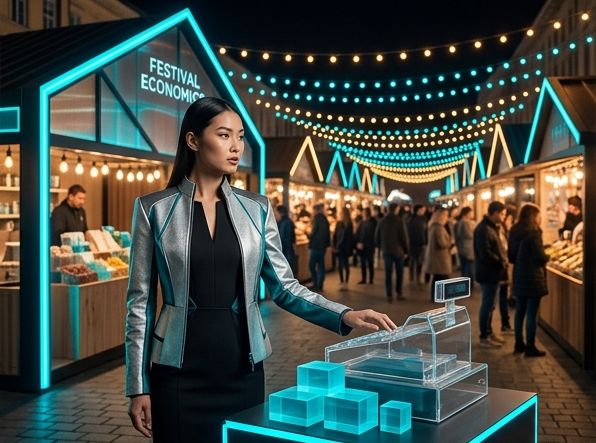
Light festivals transform cities at night with projections, installations, and interactive displays. Events like Vivid Sydney, Fête des Lumières in Lyon, and Berlin’s Festival of Lights attract millions. They reshape how cities approach public space, tourism, and culture. Their appeal is undeniably practical: these events offer free or low-cost access, plug gaps in the tourism season, and thrust cities into the spotlight. Yet economic returns come at a cost, raising urgent questions about sustainability and whether the artistic core can withstand relentless commercial pressure.
Economic Benefits for Local Communities
In 2024, Vivid Sydney attracted 2.42 million attendees. The festival generated over $180 million in visitor expenditure. It was one of the festival’s strongest years on record. This money flowed through hotels, restaurants, bars, and the broader night-time economy.
Airbnb data from past years shows hosts earned millions during the event. Median income gains helped cover household costs. The festival partners with hundreds of local businesses in the visitor and creative sectors. In Lyon, Fête des Lumières draws about 2 million visitors over four days. Hotel occupancy and restaurant revenue rise sharply. Studies show substantial gains for local businesses from tourism.
Both events create temporary jobs in setup, security, guiding, and event management. They bring foot traffic to souvenir stalls, food markets, and artisan fairs. In Sydney, over 60% of the program is free. This encourages spending on food and beverages (86% of attendees bought them) and local products. Most businesses in the area report revenues above normal for the period.
Tourism Growth and International Appeal
Light festivals attract both domestic and international tourists. They extend traditional tourism seasons. Vivid Sydney was launched to boost winter visitation. May and June are Sydney’s autumn-winter shoulder months, traditionally thin for the hospitality sector. Since Vivid’s launch, that has changed dramatically. In 2023, the festival attracted a record 3.48 million festival-goers – more than any previous edition – and generated AUD $206.1 million in visitor expenditure, the highest in the event’s history (destinationnsw.com.au). It draws millions each year, including interstate and overseas visitors. In recent years, the festival contributed to strong international visitor numbers for New South Wales.
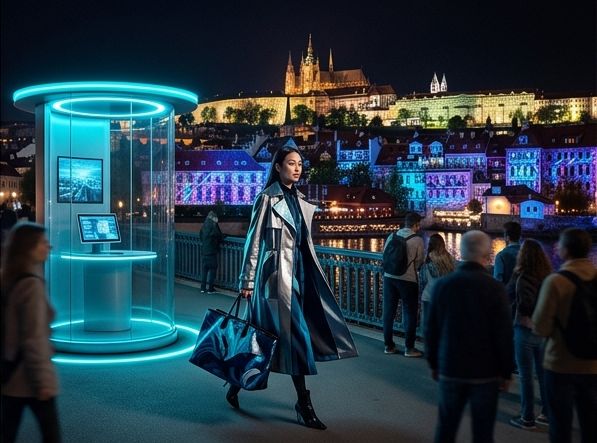
Lyon’s Fête des Lumières attracts up to 2 million people, many from abroad. This enhances Lyon’s image as a cultural destination. Berlin’s Festival of Lights draws around 3 million visitors. These events broaden tourist routes and create year-round appeal. They spotlight architecture and heritage with innovative projections.
These events raise a city’s profile. Sydney commands global attention, achieving hundreds of millions of impressions via #VividSydney. Lyon capitalizes on its UNESCO heritage status. The result: longer stays, repeat visits, and recognition as an innovative cultural center.
Cultural and Social Impact
Beyond economics, light festivals forge local identity and pride. They unite communities by spotlighting local artists and creative industries. In Sydney, the event boldly showcases Australian talent beside international works, sparking genuine cultural exchange.
Socially, festivals create shared experiences that build connections. Public installations encourage families, friends, and strangers to gather. This promotes inclusivity. In Lyon, the tradition evolved from a religious candlelighting custom. It is now a modern celebration uniting residents and visitors.
They also offer platforms for emerging artists. Light festivals stimulate creative sectors, including projection mapping and digital art.
Challenges and Sustainability Issues
Despite benefits, light festivals confront steep challenges. Infrastructure, technical setup, and security costs stretch budgets to the limit. Managing crowds in dense cities demands rigorous planning.

Environmental sustainability concerns include high energy use from lighting and projections, as well as significant waste generated by crowds. Lighting, especially through projections, contributes to both electricity demand and light pollution. Although many festivals now use energy-efficient LEDs to help reduce their carbon footprint, challenges remain. Organizers must also balance commercial success with cultural authenticity, ensuring that sponsorships and commercialization do not dilute artistic value, as highlighted by debates over sponsored installations.
Sustainability efforts are growing. Some events use renewable energy sources, implement comprehensive waste-reduction programs, and choose eco-friendly materials, such as recycled or biodegradable products. Long-term success depends on effectively addressing these issues to maintain public support.
Tourism Advantages
Light festivals deliver clear economic and tourism benefits. Vivid Sydney shows how such events can add hundreds of millions to local economies. The festival boosts night-time activity and small businesses. Lyon’s festival also highlights tourism growth and cultural prestige.
To maximize benefits, organizers should embrace innovation, such as interactive and AI-enhanced displays. They should prioritize ecological responsibility through low-energy tech and waste management. Fostering international collaborations also helps. Balancing commercialization with authentic artistic expression remains crucial.
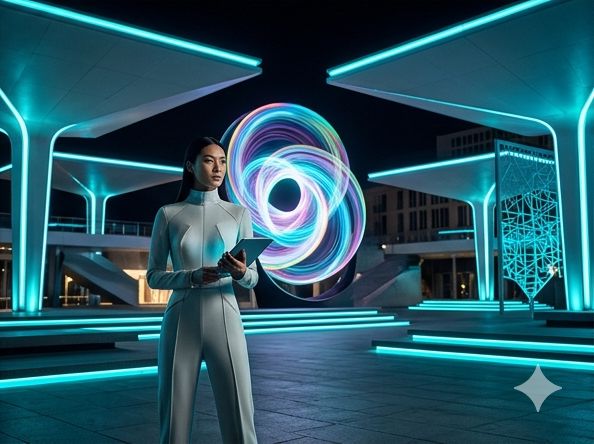
Global demand for immersive experiences is surging. Light festivals stand ready to lead as sustainable cultural phenomena. With careful planning, they will keep cities illuminated – economically, socially, and creatively – for years to come.
There are events, there are ideas behind this article – but content is always the game-changer. That’s why we invite you to visit our website, where you’ll find a treasure trove of creative concepts for projection shows across formats, styles, and adaptive scenarios. Let your next event start with inspiration.