
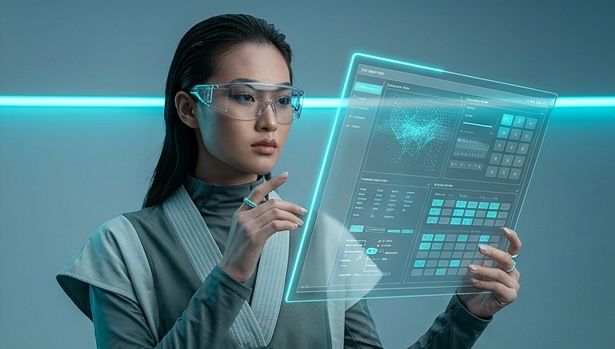
Projection mapping is a transformative audiovisual technique that uses specialized video projectors to display dynamic images, animations, and graphics onto three-dimensional surfaces – typically buildings, stages, sculptures, or custom installations. Instead of a flat screen, the physical architecture itself becomes the canvas. Software warps and masks the content to perfectly align with the object’s contours, creating illusions of movement, transformation, and life. What appears as stone or concrete can ripple like water, shatter into particles, or bloom with digital flowers.
This fusion of light, technology, and space has surged in popularity across art, entertainment, and marketing. In a world saturated with digital screens, projection mapping offers something rare: a shared, immersive physical experience that feels magical and communal. It turns static landmarks into storytelling devices, boosts brand visibility without permanent alterations, and delivers high emotional impact at events. Costs have dropped with accessible software and brighter, more affordable projectors, while social media amplifies reach as audiences eagerly share breathtaking clips.
Iconic examples showcase its power. At Sydney’s Vivid Festival, the Opera House sails come alive with mesmerizing animations synced to music. The iMapp Bucharest competition has featured jaw-dropping mappings on the massive Palace of Parliament. During Lyon’s Festival of Lights, cathedrals and buildings narrate stories through light. In concerts and festivals, artists like those at MS Dockville or SIGNAL Festival in Prague have blended mapping with live performances for unforgettable nights. Even commercial events, such as Game of Thrones premieres on the Walt Disney Concert Hall, prove its marketing punch.
This article is your practical “recipe” for creating a professional projection mapping show. Use these ingredients in the right sequence and you can transform any suitable surface into a living, breathing spectacle.
Ingredients for Success
Like any great dish, an outstanding projection mapping show depends on quality components balanced in harmony.
Idea and Concept: The foundation of flavor. A strong story or emotional arc guides every decision.
Location (projection surface): Your “plate” – buildings, stages, or objects with interesting architecture – are ideal.
Technology: Projectors, media servers, and software (such as MadMapper, HeavyM, Resolume, or TouchDesigner) are your kitchen tools.
Content: Custom-created video, 3D animation, and graphics make up the dish itself.
Team: Director, motion designers, 3D artists, technical producers, and programmers. Collaboration prevents disasters.
Rehearsals and testing: The seasoning that ties everything together.
Steps to Create the Show
Developing the Concept
Start with why. Define a clear theme and the emotional journey you want the audience to experience – wonder, nostalgia, excitement, or reflection. Know your target audience: festival-goers crave spectacle, while corporate clients may prefer brand-aligned storytelling. Create a detailed scenario or storyboard outlining scenes, timing, and transitions. Aim for 5–15 minutes of content, as this duration holds attention without fatigue.
Analyzing the Location
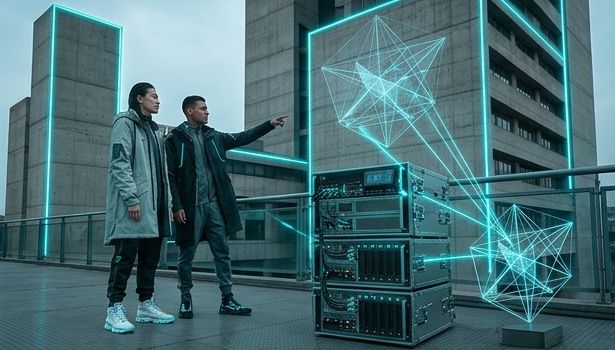
Scout the site thoroughly. Photograph or, better yet, 3D-scan the surface to capture exact geometry. Note architectural details – windows, columns, textures – that can become creative assets or challenges. Identify optimal projector positions for coverage and minimal distortion. Consider viewing angles, ambient light (especially at night), power access, and weather if outdoors. Virtual pre-visualization in software helps test ideas before physical setup.
Technical Preparation
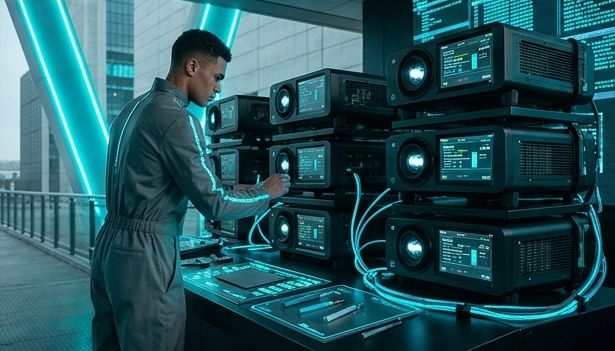
Select projectors based on brightness (measured in lumens – higher for larger or brighter environments), resolution, and throw distance. Multiple projectors often require edge-blending for seamless overlaps. Set up reliable media servers for stable playback and synchronization. Calibrate everything: warping, masking, and color matching. Test for heat, cabling, and backup power. Tools like Christie Twist or auto-alignment software can speed this up.
Creating the Content
Design in 3D software (Cinema 4D, Blender, After Effects) to match the surface’s topology. Animate elements that interact with real architecture – e.g., “cracks” appearing in walls or figures climbing actual columns. Integrate a soundtrack: original music or licensed tracks amplify emotion. Add sound design and, if possible, reactive elements that respond to beats. Ensure content is optimized for playback – high quality but efficient file sizes.
Assembly and Rehearsals
Mount projectors securely and run test projections on the actual surface. Adjust for real-world lighting, color shifts, and angles. Fine-tune brightness, contrast, and alignment. Rehearse multiple times with the full team, simulating show conditions. Make iterative corrections to content. This phase often reveals issues invisible in simulation.
Final Presentation
On show night, coordinate the team with clear roles and communication. Consider adding interactivity via sensors, cameras, or audience input for deeper engagement. Document everything – multiple camera angles for portfolio and promotion. Collect audience feedback immediately while impressions are fresh.
Tips and Hacks
Always conduct full test projections on-site well before the public show. Conditions change at night.
Sync tightly with music; a powerful score can elevate good content to unforgettable.
Incorporate interactivity – motion sensors, AR overlays, or mobile apps – to make audiences part of the show.
Build in buffer time for technical hiccups. Weather, power glitches, or alignment drift happen.
Record high-quality video (including drone shots) and behind-the-scenes material. A great show becomes an even greater portfolio piece and marketing asset.
Start smaller if you’re new: practice on simple objects before tackling large buildings.
Prioritize audience flow and safety – ensure clear sightlines and emergency access.
Projection mapping represents a beautiful synthesis of art and technology, breathing digital life into physical forms and creating shared moments of awe. The “recipe” for success boils down to a compelling idea + the right location + solid technology + captivating content + a dedicated team. With thoughtful preparation and iterative testing, you can transform ordinary surfaces into extraordinary experiences that linger in memory long after the lights dim.
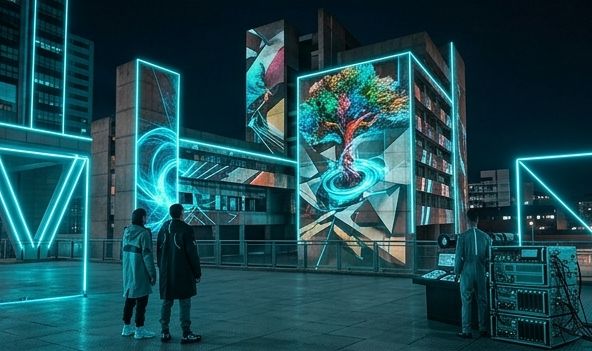
Whether for a festival, concert, brand activation, or personal art project, projection mapping rewards creativity and precision in equal measure. Gather your ingredients, follow the steps, and start mapping your vision onto the world.
The canvas is waiting.
There are events, there are ideas behind this article – but content is always the game-changer. That’s why we invite you to visit our website, where you’ll find a treasure trove of creative concepts for projection shows across formats, styles, and adaptive scenarios. Let your next event start with inspiration.